6 Min Read
.jpg?width=960&height=641&name=_JSP7826%20(1).jpg)
Annapolis is one of the most architecturally remarkable cities in the country. The brick row houses along Maryland Avenue, and the Federal-style homes tucked into Murray Hill and Eastport showcase the best classic styles. Annapolis is a city where the home market has been shaped by nearly four centuries of history, and where that history is still visible on almost every block. If you own a home here, you already know what makes it worth keeping. Impeccable millwork and original hardwood floors are details you just can't find in many newer homes.
What you may also know is that remodeling one of these homes is a different process than renovating a newer build. The approval requirements are different, and the margin for planning errors is smaller. This guide covers what Annapolis homeowners need to know before starting a historic home remodel.
Use the links below to go to the sections you want to read:
- What Makes a Home Historic in Annapolis
- Permits and the Annapolis Historic Preservation Commission Process
- What the Annapolis HPC Reviews
- What to Expect Inside an Older Annapolis Home
- How Much Does It Cost to Remodel a Historic Home in Annapolis?
- Maryland's Historic Revitalization Tax Credit
- Preserving Character While Modernizing
- Frequently Asked Questions
What Makes a Home Historic in Annapolis
A significant portion of Annapolis falls within the Annapolis Historic Preservation Division, which was listed on the National Register of Historic Places in 1984 and covers much of the downtown core, portions of Murray Hill, parts of Eastport, and the neighborhoods radiating from State Circle. Generally, a property is considered historic if it's at least 50 years old and meets at least one of the National Register of Historic Places criteria, which are:
-
Association with a significant past event
-
Association with a person of historical significance
-
Distinctive architectural character
-
Potential archaeological significance.
The designation matters for remodeling for a few reasons. Homes built before the mid-20th century were constructed with methods and materials that don't match modern standards, like plaster walls instead of drywall, knob-and-tube wiring, settling foundations, and original millwork sourced from old-growth timber. These aren't necessarily problems, but they shape the scope and sequence of any renovation.
Permits and the Annapolis Historic Preservation Commission Process
If your home is within the Annapolis Historic District, any exterior change requires a Certificate of Approval from the Annapolis Historic Preservation Commission (HPC) before work begins. That covers windows, siding, roofing, porches, and any addition visible from the street. Interior renovations, such as kitchens, bathrooms, mechanical systems, or structural work, proceed under standard City building permits with no historic review required.
There are two paths to approval, and which one applies depends on the scope.
Administrative Approval
Routine exterior changes that meet established guidelines can be reviewed and approved directly by Historic Preservation Division staff, without going to a full commission hearing. This is the faster track and applies to a wider range of projects.
Full Commission Review
Additions, significant alterations to character-defining features, and anything that doesn't have a clear precedent in the commission's guidelines go to the full Historic Preservation Commission for a public hearing. The commission meets on a published schedule with application deadlines set at the beginning of each year. Missing a deadline means waiting for the next meeting date, which is why the City advises applying early, before you sign a contractor or start any work.
Starting before a Certificate of Approval is in hand is a code violation and can disqualify a project from the City's tax credit program entirely. The permit process for remodeling in Southern Maryland has a lot of steps involved, so make sure you are working with a contractor who knows how to navigate it, along with the historic review
What the Annapolis HPC Reviews
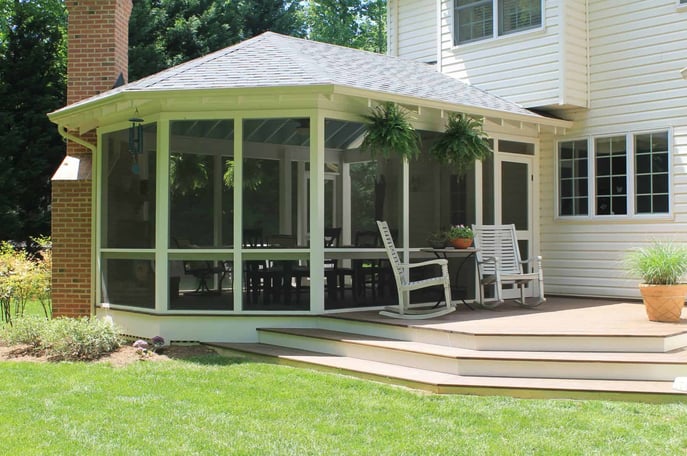
The commission's authority covers exterior changes visible from public ways. Its review is guided by the Historic Preservation District's Design Manual and the Secretary of the Interior's Standards for the Rehabilitation of Historic Properties. In practice, that means reviewing materials, window profiles, roofing, addition scale and massing, and anything that affects the streetscape character.
Here's more about what those reviews mean for you:
- Materials: Replacement materials need to be compatible with the original in profile, texture, and appearance. The commission will not approve aluminum cladding over original wood siding, but they will typically approve wood or fiber cement that matches the original profile.
- Windows: One of the most common points of review. The commission evaluates the profile, material, and whether the replacement looks the same from the street as the original.
- Additions: New construction within the historic district is held to a "distinguishable but compatible" standard, meaning it shouldn't try to be a replica, but it can't clash with what's already there in scale or materials.
- Roofing: The commission reviews the roof's material, color, and profile for compatibility with the existing structure and the surrounding streetscape.
- Paint color: The commission does not review paint color.
What to Expect Inside an Older Annapolis Home
Every historic remodel in Annapolis has a special set of considerations. Pre-1980 materials frequently include lead paint and asbestos, both of which require licensed abatement before work can proceed. Knob-and-tube wiring, while not automatically a code violation, often needs to be addressed when walls are opened. Galvanized plumbing has a finite lifespan and is often near or past it in homes of this age. Foundations in older homes settle over time, and that settling shows up in floors, door frames, and exterior walls in ways that an experienced remodeler will see.
None of this makes a project undoable, but it means it needs to be scoped carefully. Before you set your budget, take the time to review the added remodeling costs associated with older homes and talk with your contractor about those concerns during your initial consultation.
Homeowners also need to be mindful that the construction quality in many Annapolis homes is uncommon in many respects. Old-growth hardwood floors, plaster walls, hand-crafted millwork, and rock-solid framing are not features of many contemporary builds. There are things about older homes that are well worth preserving, making it even more important that you work with a team that has experience remodeling historic homes in this area.
How Much Does It Cost to Remodel a Historic Home in Annapolis?
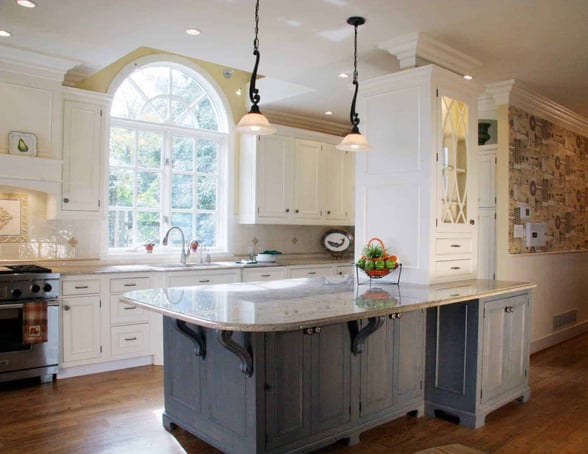
Historic remodels typically run 10–25% higher than comparable projects in newer homes. Pre-1960s homes routinely require electrical, plumbing, and structural work that isn't in the original scope, and rewiring alone on a historic property runs $6,000 to $25,000, before any finish work begins.
For broader context, the national average for a kitchen remodel is around $27,000, with whole-home gut renovations running $60 to $150 per square foot. Be mindful that these costs increase significantly for historic homes over 100 years old. The 2025 Houzz & Home Study found that 26% of homeowners struggled to stay on budget during renovation, a figure that trends higher on historic projects where behind-the-walls conditions are harder to predict.
We recommend you have a 10–20% contingency fund for historic home remodeling. For cost ranges specific to this region, access our home remodeling cost guide.
Maryland's Historic Revitalization Tax Credit
While we've covered the challenges, it's worth saying that historic designation comes with financial benefits too. Maryland's Historic Revitalization Tax Credit, administered by the Maryland Historical Trust (MHT), offers a 20% state income-tax credit on eligible rehabilitation expenses, typically capped at $50,000 per project period with a minimum spend of $5,000 to qualify. The City of Annapolis also administers its own local tax credit for exterior rehabilitation of contributing structures within the historic district.
In both programs, the process is the same as with the HPC approval. The review and approval have to happen before work begins. Projects started before approval is in place generally don't qualify. Confirm current terms directly with MHT and the City of Annapolis before building either credit into your project budget, as eligibility rules and figures can change.
Preserving Character While Modernizing
The goal in any historic home remodel isn't to freeze the house in place. It's to make it work for how you live while keeping what can't be replicated. That usually means the structural framework, the original millwork, and the exterior profile that gives the house its character. What gets updated is what makes daily life better, such as a more spacious kitchen layout or up-to-code plumbing and electrical systems.
Get the best of the classic and contemporary in your remodeling project when you partner with an experienced contractor who understands and appreciates the history and personality of the homes here.
Work With a Historic Home Remodeler Who Knows Annapolis
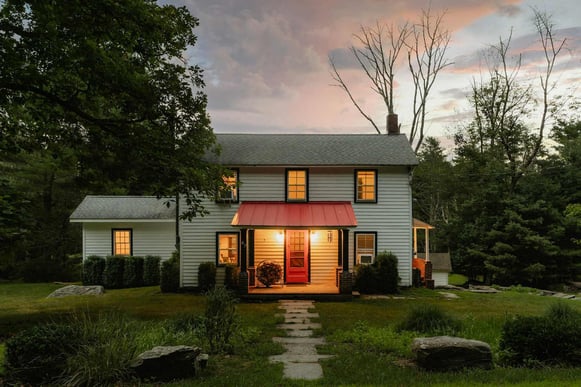
Villa Builders has been working with homeowners across Southern Maryland since 1999. We know how these homes are built and how to manage historical reviews and everything involved with the process. Our comprehensive design-build approach means you work with one centralized team in every stage of the project, from initial design selections to the construction and final walkthrough. We offer a full suite of remodeling services, including historic home remodeling, kitchen and bathroom renovations, home additions, and whole home remodeling.
Our dedication to craftsmanship and quality has stayed the same for over 25 years. Just like the historic homes here in Annapolis, we are not going to change what works.
Please visit our gallery to see our past work.
Contact Us
Get your remodel started today. Connect with our team and schedule a free consultation, or call (410) 604-2283.
Frequently Asked Questions