
7 Min Read
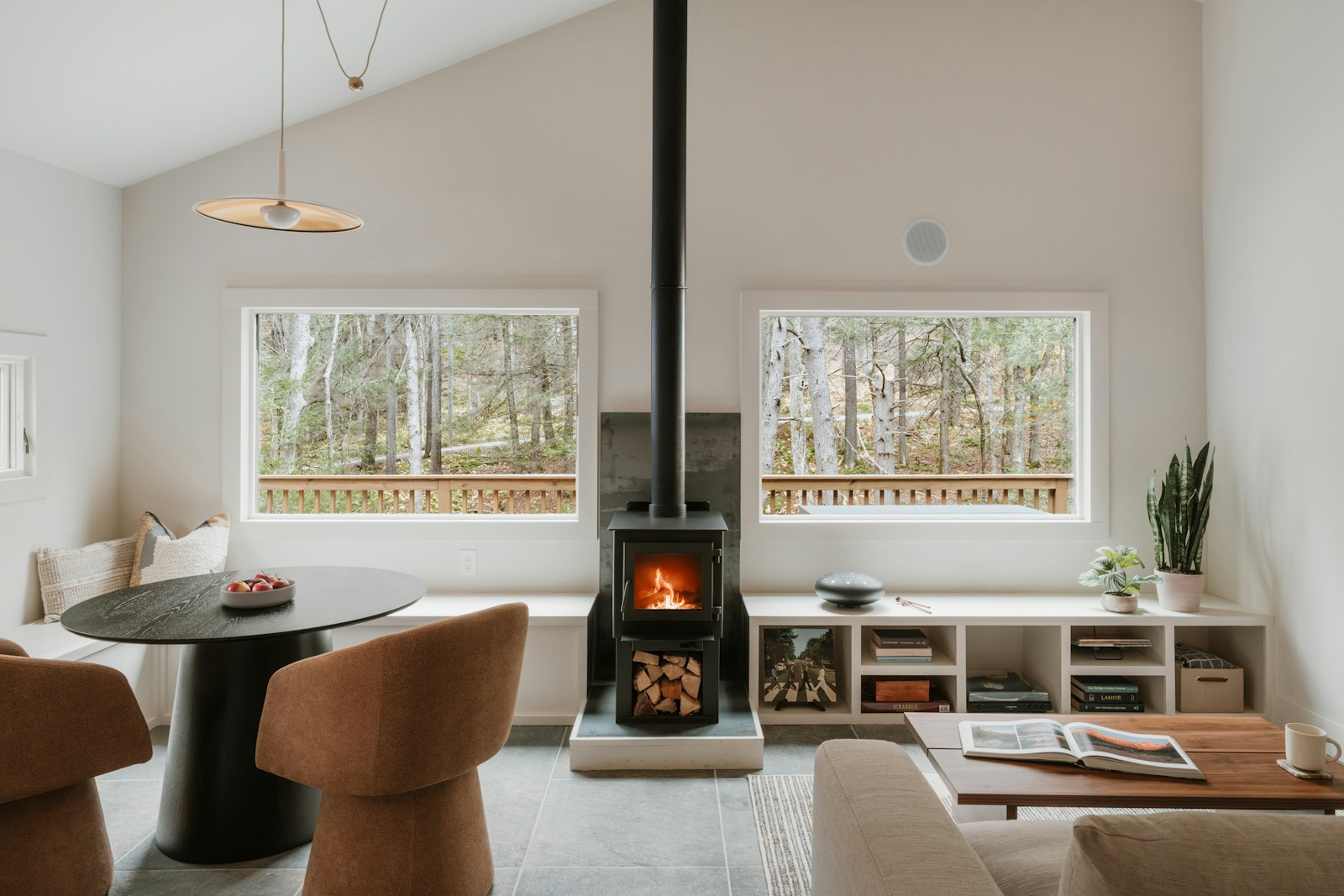 The charm of living in Southern Maryland goes beyond hiking the miles of trails at Calvert Cliffs State Park and appreciating the beauty of the Chesapeake Bay. The architecture of the homes amazes long-time residents and visitors alike. Built-in cabinets, stone and brick exteriors, and artisan-like crown molding are just some of the features classic homes have that you don't find in many modern builds.
If you're the proud owner of one of these homes, then you know just how much there is to appreciate about the history behind them. However, there are important distinctions between a historic home and an older one. Not every older home qualifies as historic, and understanding the difference is the first step before planning a remodel.
This guide will explain those differences and how it affects the approach to remodeling these homes.
Use the links below to go to the sections you want to read:
-
How to Check If Your Maryland Home Is Historically Designated
-
What to Expect When Remodeling a Historic Home in Southern Maryland
What Makes a Home Historic in Maryland
A home is generally considered historic if it's at least 50 years old, meets at least one of the four National Register of Historic Places criteria, and still looks largely the way it did originally. In Maryland, you can confirm your home's status with three free checks by searching the Maryland Historical Trust's Medusa database or the National Register through the National Park Service's NPGallery. You can also check your local city or county historic district, which can apply even when the National Register doesn't.
We'll cover more about the criteria and using these resources below.
The National Register Criteria
People sometimes use the word "historic" loosely, but for designation purposes, it has a specific meaning. The National Park Service uses a general guideline that a property should be at least 50 years old to qualify for the National Register of Historic Places, but age alone isn't enough. It also has to meet at least one of four criteria and still retain its historic character, which the NPS calls "integrity."
The four National Register criteria are:
- Events: Associated with events that made a significant contribution to our history.
- People: Associated with the lives of historically significant individuals.
- Design/Construction: Embodies the distinctive characteristics of a type, period, or method of construction, such as a well-preserved Victorian, Craftsman bungalow, or Colonial, for example.
- Information: Has yielded, or may yield, important historical or archaeological information.
Beyond the criteria, there's a distinction that trips up a lot of homeowners. Whether your property is listed, eligible, or locally designated are three different statuses, and they mean something different.
- Listed means the property is formally entered on the National Register, either individually or as a contributing building in a registered historic district.
- Eligible means it qualifies for the National Register but hasn't been formally listed. This status still matters, as it affects tax-credit eligibility and certain reviews.
- Locally designated means the property is protected by a city or county historic district ordinance, which is separate from the National Register and often comes with the most day-to-day rules for homeowners.
How to Check If Your Maryland Home Is Historically Designated
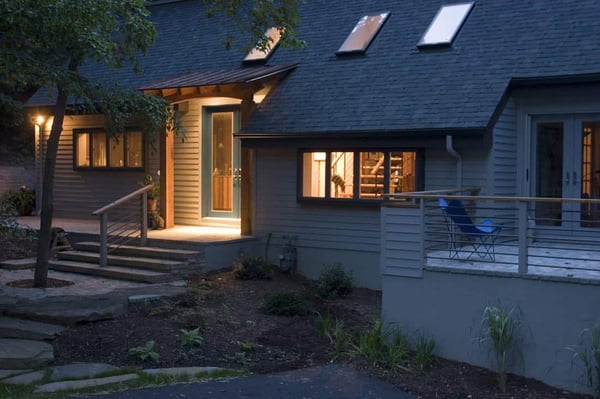
As you already mentioned, there are distinct statuses for older homes in Southern Maryland. Here are resources that can help you find which category your home belongs under.
1. Search the Maryland Historical Trust's Medusa Database
Maryland maintains its own inventory of roughly 43,000 historic and architectural resources statewide, the Maryland Inventory of Historic Properties (MIHP), and you can search it for free through an online tool called Medusa. Search by address, property name, or inventory number to pull up survey forms, photos, and documentation if your home has been recorded.
Tip: If your address doesn't return a result, try a map search of your block. Older homes are sometimes recorded as part of a district or under a historic property name rather than today's street number.
2. Search the National Register Through NPGallery
For the federal list, use the National Park Service's NPGallery. The NPS recommends searching by city and county rather than exact address, because properties are sometimes entered under a historic name or a slightly different street number. If your home is individually listed or sits inside a listed historic district, it should appear here.
3. Check Your Local City or County Historic District
A home can be in a locally designated historic district without being on the National Register at all, and those local designations are what affect the rules regarding exterior remodeling.
In Southern Maryland and the Route 50 corridor, that includes the City of Annapolis Historic District, overseen by the Annapolis Historic Preservation Commission, as well as locally designated properties and districts in Calvert, Charles, and St. Mary's Counties, each with its own preservation commission. Your city or county planning office can tell you in one phone call whether your property falls inside a designated district and what that means for your project.
4. Confirm Your Home's Age
If you want a straight answer on how old your house is, the Maryland Department of Assessments and Taxation (SDAT) property records and your county's deed records will show a build year and ownership history, which provides useful context for whether or not your home is formally designated.
What the Status of Your Home Means for Remodeling
If you're wondering whether you can still renovate your historic home, the answer is almost always yes, but the rules depend on which status applies. Here's a breakdown of how each status affects remodeling work:
| Status | Design review before work? | What it means for remodeling |
|---|---|---|
| Listed on the National Register only | No (for private owners using private funds) | Under federal law, National Register listing alone places no restrictions on what a private owner can do with their own home and money. Restrictions only kick in if federal funding or permits are involved. |
| In a local historic district | Often yes | A local commission may require a Certificate of Approval before you change the exterior (windows, siding, roofing, additions, porches). Interior work is usually unrestricted. Rules vary by jurisdiction. |
| Eligible but not listed | No automatic review | No design restrictions by itself, but eligibility can open the door to tax credits. |
If your home is both National-Register-listed and inside a local district, the local rules are the ones that govern your day-to-day project. Local commission reviews run on a separate track from standard building permits, and home additions on historic properties need to account for that timeline from the onset. Partnering with a local design-build team can make the permit process and related rules much easier to navigate than doing it on your own.
Maryland's Historic Revitalization Tax Credit
Historic designation isn't only about restrictions. It can also save you real money. Maryland's Historic Revitalization Tax Credit, administered by the Maryland Historical Trust, currently offers a state income-tax credit worth 20% of eligible rehabilitation expenses, typically capped at $50,000 per project period with a minimum spend of $5,000 to qualify.
To be eligible, the home generally must be an owner-occupied, single-family residence and a certified historic structure, meaning it's individually listed on the National Register, a contributing building in a National Register historic district, or locally designated and determined eligible by MHT.
The catch: You must get the Maryland Historical Trust to review and approve your plans before you start work. Work begun before approval generally won't qualify, and can jeopardize the credit for the entire project. Program details and dollar figures can change, so confirm current terms with MHT before you build them into your budget. Either way, this is one more reason to bring your remodeler into the conversation early, before you lock in design decisions and start the permit process.
What to Expect When Remodeling a Historic Home in Southern Maryland
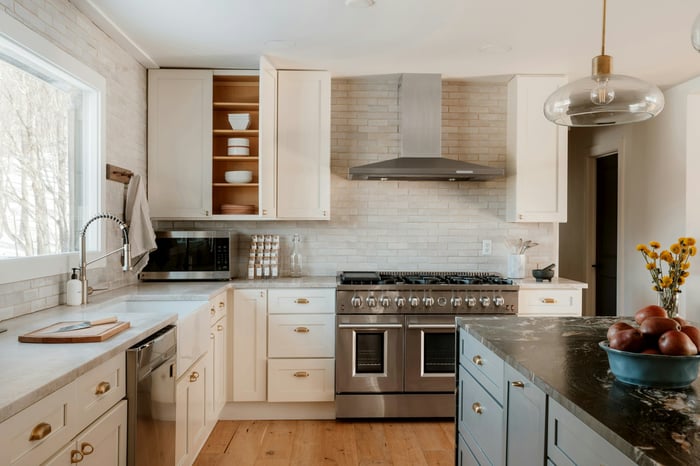
The character and craft built into older and historic homes are hard to replicate, further adding to their value. These homes also come with particular challenges around remodeling them. Knob-and-tube wiring, plaster walls, settled foundations, and pre-1980 materials often include lead paint or asbestos, which obviously have to get fixed during any kind of renovation. It's important you account for these hidden costs before you set your budget and work with a builder who is used to dealing with these conditions.
If your home is in a district like Annapolis's, you'll need a Certificate of Approval for exterior changes before permits are issued, and your design will need to respect local guidelines on materials, windows, and additions. The permit process for remodeling in Southern Maryland already has enough moving parts, and getting a historic review just adds to it. Consider working with a design-build team that can handle everything in-house vs. having to coordinate between separate teams.
A real example: the Bungalow on the Hill
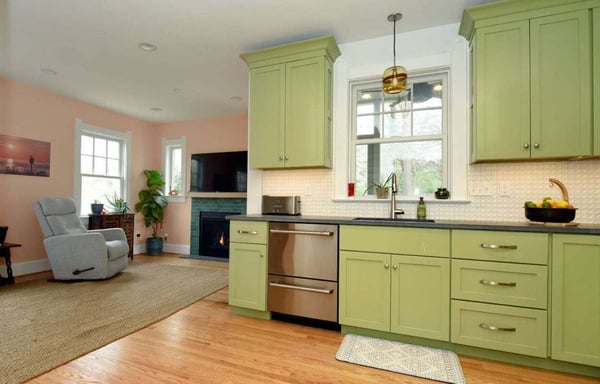
When we remodeled a 1923 bungalow in a historic Maryland neighborhood, the goal was to modernize for a growing family without erasing the home's Arts-and-Crafts character. Here's what that looked like in practice:
- Full second-story addition with a primary suite
- Expanded kitchen with custom cabinets and soapstone counters
- Rebuilt front porch with period-correct exposed beams and gable brackets
- Refinished original hardwood floors throughout
All of it was done while addressing severely bowed exterior walls and pandemic-era permitting delays. This project was a case study in how our team approaches historic home remodeling, and how we can preserve a home while bringing it up to modern code.
Remodel Your Historic Home With Villa Builders
Villa Builders has been working with homeowners across Southern Maryland since 1999. We know the character of older homes in this area, and we know how to navigate the designation process and tax-credit paperwork that come with historic home remodeling in Southern Maryland.
Our design-build team handles everything from kitchen remodels and bathroom renovations to home additions and whole-home renovations, all under one roof. That means one team walking with you through the whole construction process, from design selections to the final walkthrough. We can't wait to build with you.
Browse our gallery to see our finished work.
Contact Us
Start your remodel today. Connect with our team and schedule a free consultation, or call (410) 604-2283.

.jpg?width=352&name=_JSP7826%20(1).jpg)

